Wicks for Candle Making

Candle Wicks

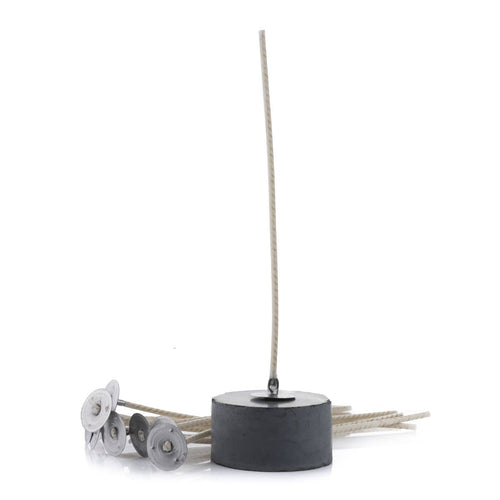
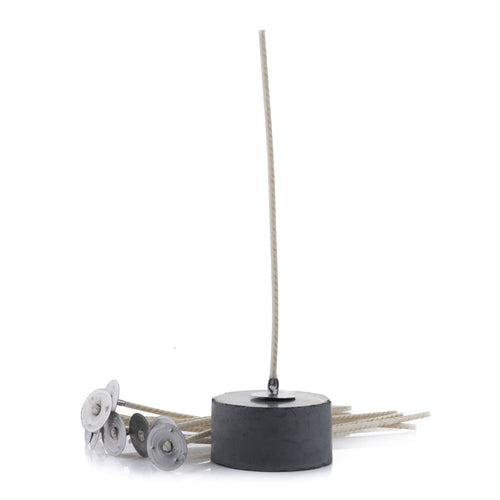
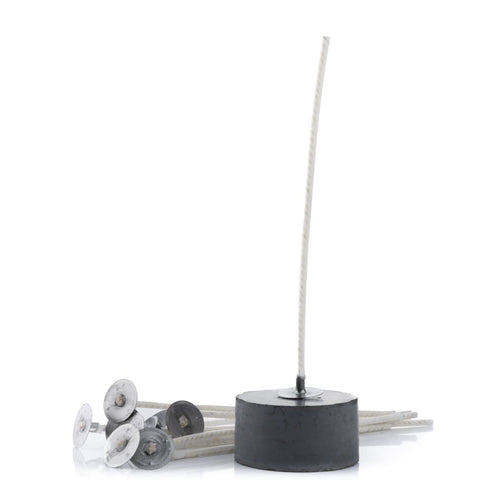
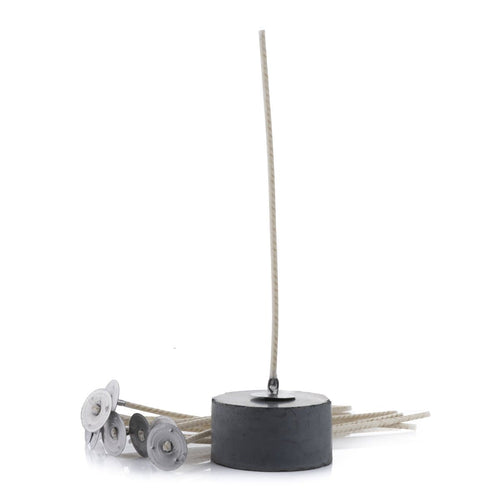
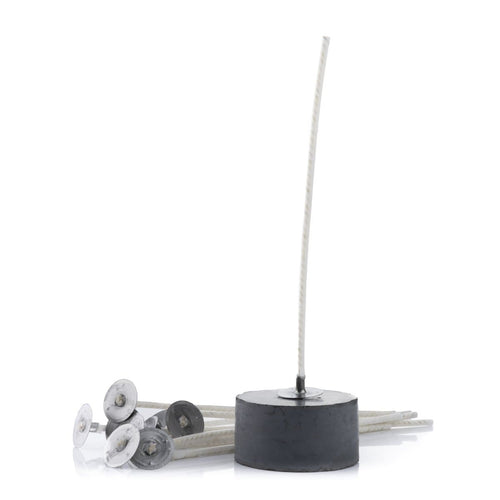
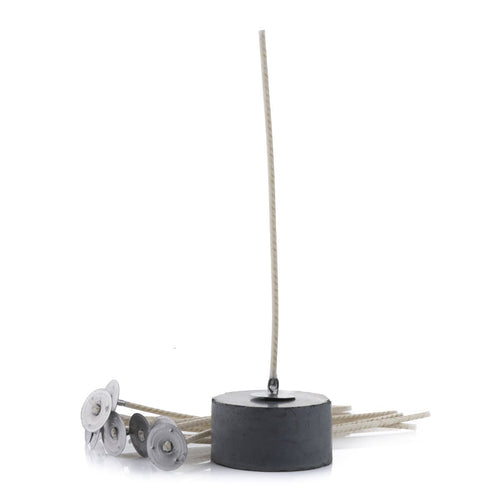
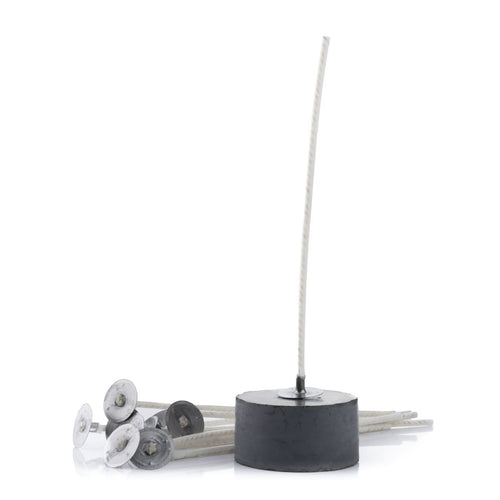
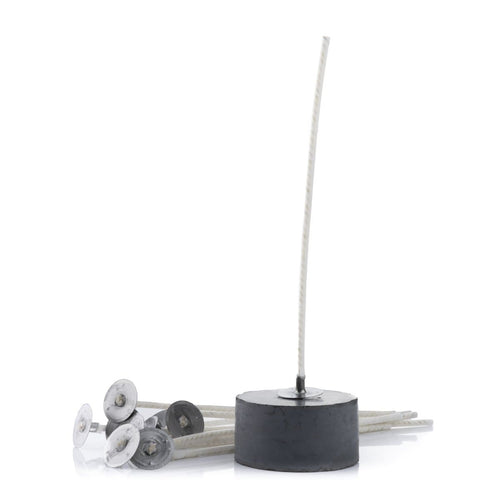
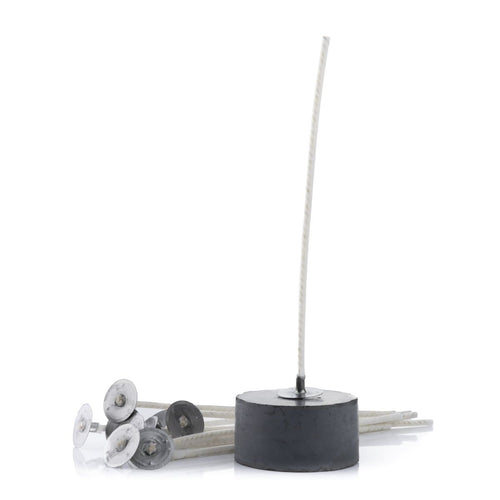
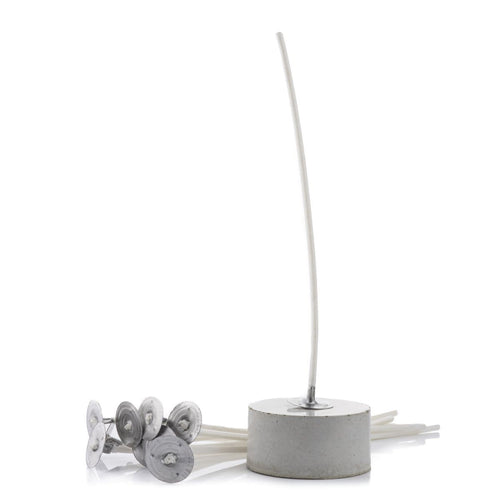
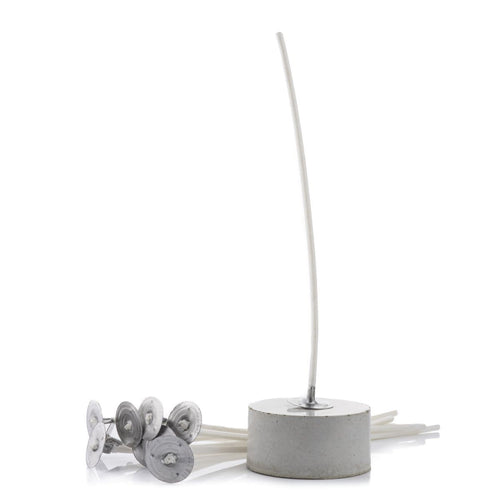
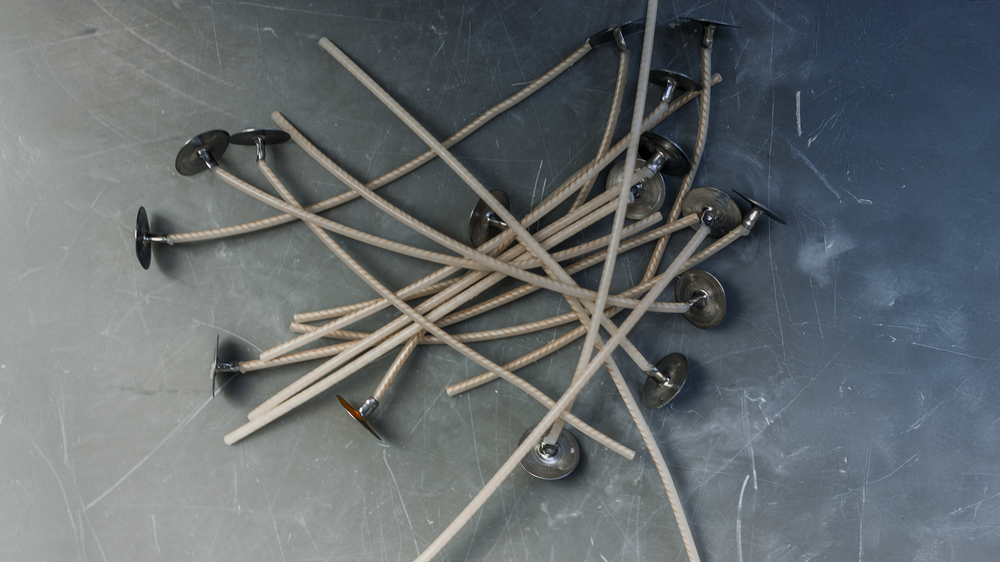
Candle wicks are at the heart of every great candle. At Candle Shack, you’ll find a wide range of cotton and wooden wicks, each tested by our experts to deliver a reliable burn and consistent performance. Explore the collection to find the right wick for your wax and candle type.
CL14 Wick

From 2,96 € exc. VAT

CL12 Wick

From 2,96 € exc. VAT

Stabilo 14 Wick

From 2,96 € exc. VAT

Stabilo 16 Wick

From 2,96 € exc. VAT

CL10 Wick

From 2,96 € exc. VAT

CL16 Wick

From 2,96 € exc. VAT

Stabilo 12 Wick

From 2,96 € exc. VAT

CL6 Wick

From 2,96 € exc. VAT

Stabilo 2 Wick

From 2,96 € exc. VAT

CL17 Wick

From 2,96 € exc. VAT

CL18 Wick

From 2,96 € exc. VAT

CL19 Wick

From 2,96 € exc. VAT

CL4 Wick

From 2,96 € exc. VAT

CL8 Wick

From 2,96 € exc. VAT

LX10 Wick

From 2,96 € exc. VAT

LX12 Wick

From 2,96 € exc. VAT

LX14 Wick

From 2,96 € exc. VAT

LX16 Wick

From 2,96 € exc. VAT

Frequently asked questions

How do I choose the right wick for my candle?
Wick selection depends on three variables working together: the internal diameter of your container, the wax type you are using, and your intended fragrance load. The easiest starting point is one of Candle Shack's lab-tested recipes, which give you a proven wick, wax and fragrance combination for specific vessels - removing most of the guesswork. If you are working outside a tested recipe, use the wick guide for the series you are considering, which maps wick size to jar diameter for a given wax type. The CL series (CL4 through CL19) is designed for vegetable waxes and heavily fragranced mineral waxes; the Stabilo series (Stabilo 2 through 22, made by Wedo) covers a similar range with a different construction. From a starting size, test burns confirm whether to go up or down.
Does adding fragrance oil change the wick size I need?
Yes, significantly - and this is why you should never test a candle without fragrance if you intend to make a scented product. Fragrance oil acts as a secondary fuel and changes the burn profile substantially; most container waxes are also formulated with the assumption that fragrance will be present. A wick selection based on plain wax tells you very little about how the candle will perform in production. Always test with your exact intended recipe - wax, fragrance, vessel and load together - from the very first burn.
Do natural waxes need different wick sizes to paraffin?
Yes. Natural waxes, particularly soy, burn at a different temperature profile to paraffin and typically need a larger wick to achieve a full melt pool. If you are switching from a paraffin or paraffin-blend wax to a natural wax, do not assume your existing wick selection transfers - start wick testing from the beginning with your new wax. Always include fragrance in the test batch, as fragrance load also shifts wick requirements.
What is the difference between CL wicks and Stabilo wicks?
Both the CL series and the Stabilo series are flat-braided cotton wicks suited to vegetable waxes and heavily fragranced mineral waxes, and both are used in Candle Shack's own candle manufacturing. The CL wick uses an unbleached cotton and linen braid; the Stabilo uses a wax-coated cotton construction. In practice both are highly rated by makers and the choice often comes down to wax compatibility and personal preference after testing.
When should I use two wicks in a container candle?
For containers with an internal diameter above approximately 9-10cm, a single wick often cannot generate sufficient heat to achieve a full melt pool without being so large it creates safety or soot problems. Double wicking with two correctly sized wicks placed equidistant across the vessel is the standard solution. Both wicks should be the same series and size, positioned symmetrically, and secured in place during pouring and cooling.
What should a correct candle test burn look like?
For candles sold in the UK or EU, there is an objective answer to this: EN 15493:2019 is the European fire safety standard for candles and sets defined pass criteria covering flame height, aftersmoke duration, secondary ignition and vessel integrity. EN 15426:2018 covers sooting behaviour, with a pass requiring an average soot index of less than 1.0 per hour. While testing to these standards is not a legal requirement in itself, it is the clearest way to demonstrate due diligence under GPSR. In practical terms, a well-wicked candle produces a steady flame, reaches a full melt pool within a time appropriate for the vessel - for a 30cl Lotti (approximately 75mm diameter) that is typically three to four hours, while smaller vessels such as a 9cl should achieve it considerably faster - and produces no visible soot on the glass. Tunnelling means the wick is too small; a tall or flickering flame with mushrooming carbon means the wick is too large or the fragrance load too high. Always test with your final recipe, not plain wax.
How often should I trim my candle wick and to what length?
Trim the wick to approximately 5-6mm before every burn. A longer wick produces a larger, hotter flame, generates more soot, forms mushrooming carbon deposits and causes the candle to burn faster than intended. Trimming before each use extends burn time and keeps the jar clean, and is worth including as a product instruction with every candle you sell.
Why does my wick keep going out before a full melt pool forms?
A wick that actually extinguishes mid-burn is most commonly a fragrance compatibility issue rather than a sizing issue. Some fragrance oils - particularly those containing materials not suited to candle applications, or essential oils with impurities - will carbonise or clog the wick, blocking the capillary action that draws fuel to the flame. The wick effectively cooks itself and turns to ash. An undersized wick, by contrast, typically does not extinguish - it just fails to reach a full melt pool. The other common cause of extinction is tunnelling: if a cavity forms beneath the wax surface, liquid wax drains into it, the wick burns down below the wax line and cannot be relit. If your wick is going out rather than simply underwicking, assess your fragrance oil first - switch to a known candle-grade oil and test again before changing wick size.