Candle Jars

Candle Jars

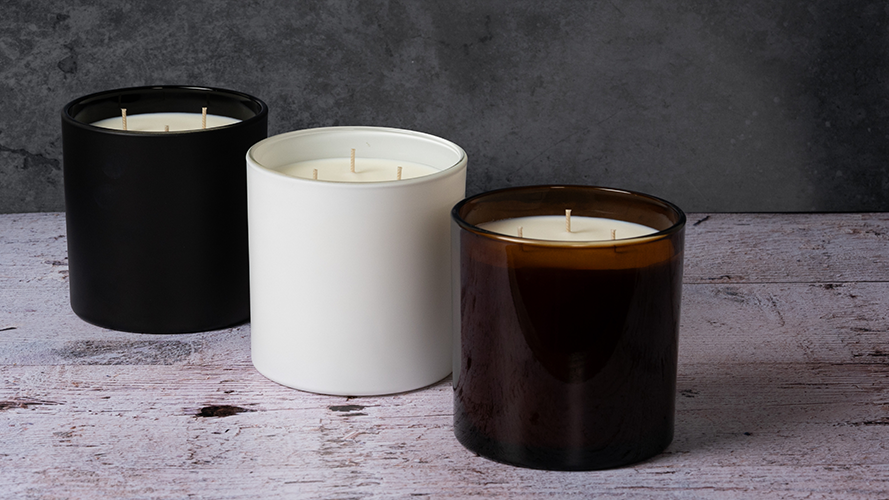
Discover our wide range of candle jars, votives and vessels, designed to suit every style and season. From sleek matt finishes to glossy glass and etched designs, you’ll find options to match your look and elevate your candles. Many of our candle jars are available in different sizes and colours, making it easy to create collections or experiment with new designs. Reliable, versatile and made for great performance – candle jars ready for your next candle making project.

30cl Lotti Candle Jar- Clear

6,60 € exc. VAT

30cl Lotti Candle Jar - Amber

12,37 € exc. VAT

30cl Lotti Candle Jar - White Matt

12,37 € exc. VAT

30cl Lotti Candle Jar - Black Matt

12,37 € exc. VAT

Lotti Collection Jars & Bottles

30cl Lotti Self-Love White

20cl Lotti Candle Jar - Clear

6,57 € exc. VAT

9cl Lotti Candle Jar - Clear

3,33 € exc. VAT

30cl Lotti Candle Jar - White Gloss

12,37 € exc. VAT

30cl Lotti Candle Jar - Frosted

12,37 € exc. VAT

30cl Lotti Candle Jar - Red Ruby

12,37 € exc. VAT

20cl Lotti Candle Jar - Amber

11,15 € exc. VAT

20cl Lotti Candle Jar - White Matt

11,15 € exc. VAT
9cl Lotti Candle Jar - Amber

7,41 € exc. VAT

50cl Lotti Bowl - Clear

3,01 € exc. VAT

CANDLE JAR FAQ'S

How do I choose the right jar size for my candle?
Jar internal diameter is the primary variable - it determines how many wicks you need and which wick series to start with. A 30cl jar at approximately 7cm internal diameter is the most practical single-wick starting point for most container wax blends and covers the widest range of tested recipes. Smaller jars like the 9cl Lotti suit gift candles and samplers. Vessels above approximately 9-10cm diameter typically need double-wicking to achieve a full melt pool.
What kind of glass is safe to use for container candles?
There is no container-specific legislation for candles in the UK or EU - GPSR applies to the finished candle as a product. In practice, most standard drinkware is annealed and thermal shock tested, making it well suited to candle use. The key consideration is prior usage in candle applications rather than a specific glass type. Counterintuitively, thick glass can be more prone to stress fractures than thin glass, because a large temperature differential between the hot glass and a cold surface - particularly during the final burn - creates more thermal stress, not less. Always burn candles on a heat-resistant surface.
How much wax does a 30cl candle jar hold?
The 30cl Lotti jar holds approximately 220g of finished mixture - wax and fragrance oil combined - at a standard fill level. When testing a new vessel, run a few test pours to confirm your exact fill weight before scaling up to a production batch.
Do candle jars need lids?
Lids are not a safety requirement. Their main practical value is keeping the candle clean between burns and during storage - dust and debris on the wax surface affects both appearance and, over time, burn performance. They also trap the fragrance, so removing the lid gives a pleasing initial scent release before the candle is even lit. For retail products, a lid also protects the wax surface and wick during transit and handling.
Will coloured or frosted glass affect how my candle burns?
Coloured and frosted glass does not meaningfully affect burn performance - the heat dynamics are driven by glass thickness and geometry, not surface finish or colour. The practical difference is that darker or opaque glass makes it harder to observe the melt pool during test burns, which requires extra care when wicking. Coloured glass also hides cosmetic imperfections in the wax surface such as frosting, which some makers consider an advantage for soy candles.
What is the difference between a candle jar and a candle tin?
Glass jars and metal tins both work as candle containers but behave differently. Glass transfers heat more slowly and lets the customer see the candle burn; metal conducts heat faster, which affects melt pool behaviour near the base. Glass jars are the dominant format for premium retail candles; tins are common for travel and gift-range products. Wick selection should always be tested specifically for the vessel regardless of material.